
Study in Italy for Non-EU Students: Complete Guide (2026)
Study in Italy for Non-EU Students: Complete Guide (2026)
Are you a non-EU student dreaming of studying in Italy? 🇮🇹 From world-class universities to a rich cultural experience, Italy offers an excellent academic journey. This SEO-optimized guide explains everything you need to know—requirements, visa process, residence permits, costs, and your rights as a student.
Why Study in Italy?
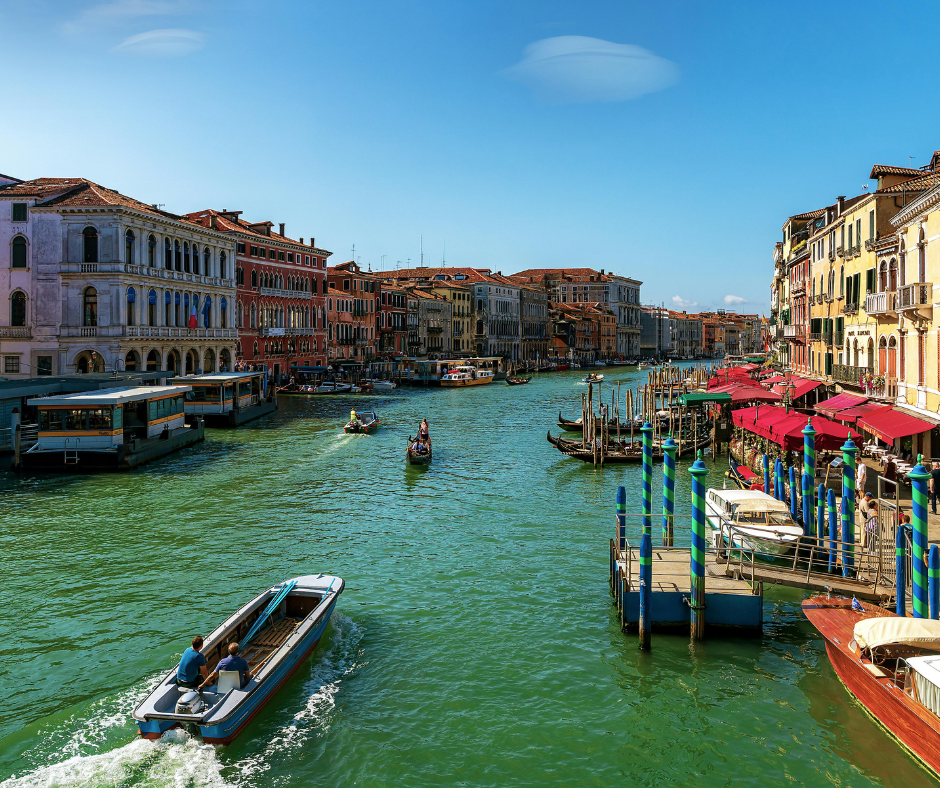
Italy is home to some of the oldest and most prestigious universities in Europe. Students benefit from:
- High-quality education
- Affordable tuition fees
- Cultural diversity and historic cities
- Opportunities to work while studying
Eligibility Criteria
To study in Italy as a non-EU citizen, you must:
- Be at least 18 years old (students aged 14+ may join exchange programs)
- Have proof of admission to a recognized educational institution
- Enroll in a full-time course relevant to your previous studies
- Obtain a student visa before traveling
- Apply for a residence permit after arrival
Step-by-Step Application Process
1. Apply for a Student Visa
You must apply at the Italian embassy or consulate in your home country.
Visa fee: €116
2. Get a Study Permit (if required)
- Valid for 3 months
- Allows you to take university entrance exams in Italy
3. Apply for a Residence Permit (Permesso di Soggiorno)
Within 8 days of arrival in Italy, you must apply.
Steps:
1. Submit your application at the Post Office (Portale Immigrazione)
2. Your application is forwarded to the Questura (Immigration Police)
3. Attend your appointment
Required Documents
You will need:
- Admission letter from an Italian institution
- Valid passport and travel documents
- Proof of accommodation
- Health insurance
- Proof of sufficient financial resources (including return ticket)
Costs
Residence Permit Fees:
- €40 (3–12 months)
- €50 (12–24 months)
- €100 (long-term permits)
Additional Costs:
- €30 (postal kit)
- €16 (tax stamp)
- €30.46 (issuance fee)
Duration of validity of permits
- Study permits for entrance exams: 3 months
- Residence permits: valid for duration of study program
Conditions for Renewal
- Apply 30 days before or after expiration
- Provide:
- Proof of funds
- Health insurance
- Passing 1–3 exams per year
You can renew for up to 3 consecutive years.
Appeals Process
If your visa or residence permit is rejected, you can appeal to the Regional Administrative Tribunal within 60 days.
Work While Studying in Italy
As a student, you are allowed to:
- Work 20 hours per week
- Up to 1040 hours per year
This helps cover living expenses and gain experience.
Opportunities After Graduation
1. Employment (Job Search Permit)
After completing your degree (Bachelor’s or Master’s):
- Convert your permit into a job search visa (1 year)
2. Self-Employment
- Apply through the One-Stop-Shop for Immigration
- Approval depends on labor quotas
Student Mobility in the EU
If you already hold a study visa from another EU country:
Case 1: Under EU Program/University Agreement
- Study in Italy up to 360 days
- No need for a new visa or permit
- Must register at Questura within 8 days
Case 2: Not under a Program
- Must apply for a new residence permit
Important Tips
- Always apply early to avoid delays
- Keep copies of all documents
- Track your visa and permit deadlines
- Learn basic Italian to ease your stay
Final Thoughts
Studying in Italy as a non-EU student is an incredible opportunity to gain quality education and global exposure. By following the correct procedures and preparing your documents carefully, you can ensure a smooth and successful experience.